
The Alex Manfull Fund Backs Bold Science to Help Save Young Lives
New Grants Offer Hope for Lifesaving PANS and PANDAS Discoveries Our goal is to dramatically deepen understanding of
Press Release Disclaimer: This is a press release distributed through the XPR Media network. It has not been independently verified by our newsroom.
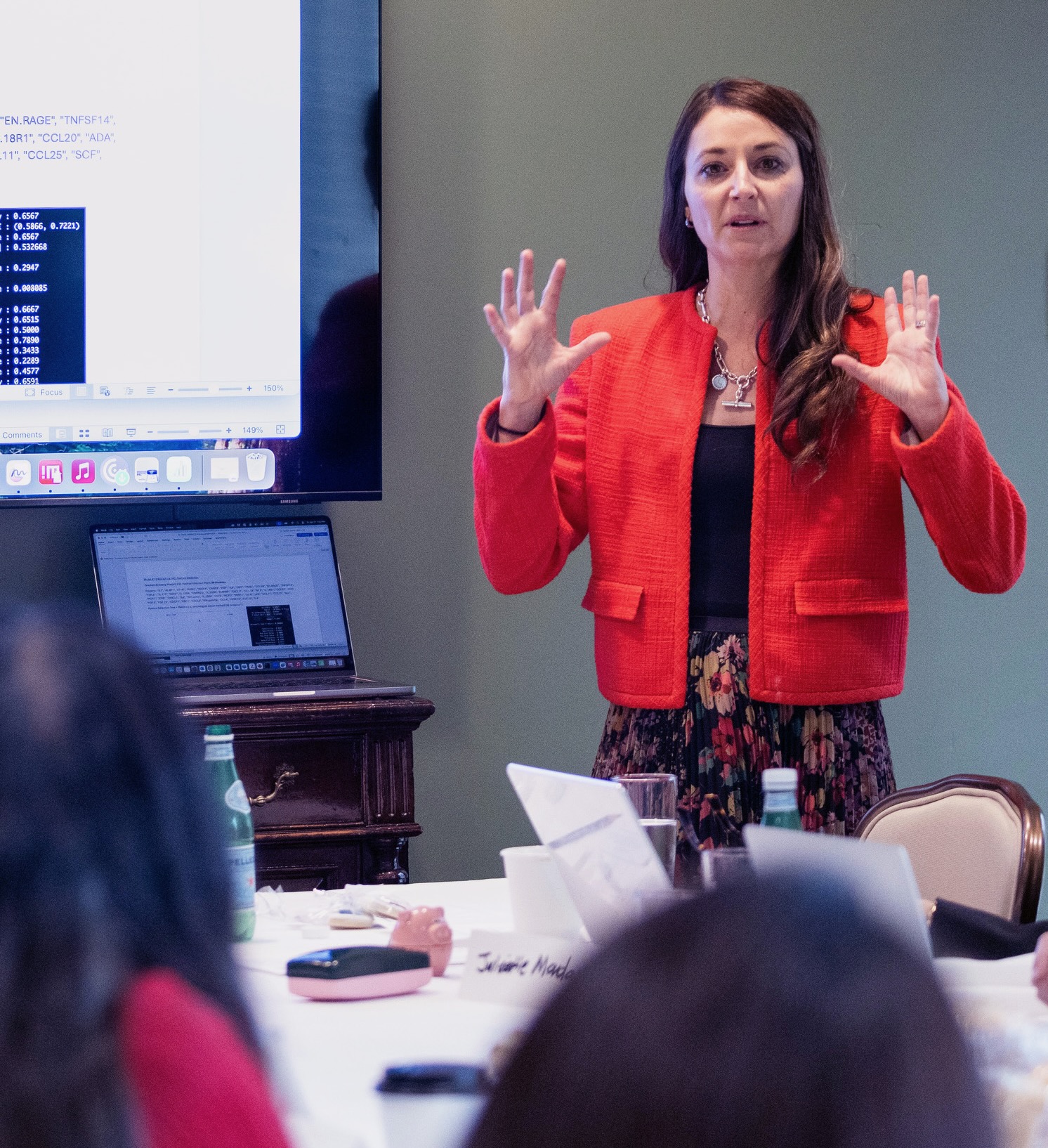

New Grants Offer Hope for Lifesaving PANS and PANDAS Discoveries
PORTSMOUTH, NH, UNITED STATES, October 7, 2026 /EINPresswire.com/ — The Alex Manfull Fund (TAMF) has awarded new research grants to accelerate breakthroughs in the infection-associated neuroimmune disorders of PANS and PANDAS, funding vanguard studies by Dr. Herb Lachman, Albert Einstein College of Medicine; Dr. Sean Miller, Jacobs School of Medicine and Biomedical Sciences, University at Buffalo; and Dr. Lauren Breithaupt, Harvard Medical School/Mass General Brigham.
The grants aim to substantially broaden and deepen understanding of the etiologies of PANS and PANDAS–neuroimmune disorders that can strike young people after common viral and bacterial infections–ultimately leading to radical improvements in diagnosis and treatment.
Dr. Herbert Lachman’s research focuses on the role of pathogenic variants in DUOX2, a gene that helps the gut control bacteria, maintain the intestinal barrier, and communicate with the immune system. DUOX2 has been implicated in gut dysbiosis and inflammatory bowel disease, conditions often found in children with autism and other neurodevelopmental disorders.
Dr. Lachman hypothesizes that this gene variant is somehow connected to gut microbiome homeostasis and gut permeability, ultimately contributing to neuroinflammation. To test this hypothesis, Lachman’s research team will create human gut organoids—small, laboratory-grown models of the intestine—that carry the rare DUOX2 variant found in affected patients. The researchers will study intestinal permeability by comparing these variants with normal control organoids, examining both groups with and without exposure to immune cytokines. An increase in permeability would support the idea that immune cytokines and bacterial immune stimulators penetrate the gut and activate the gut/immune/brain axis.
The goal is to gather evidence that could lead to larger NIH-funded studies and, eventually, new treatment strategies aimed at repairing gut barrier problems and reducing harmful inflammation.
“This research gives us a powerful way to study how genetic changes in the gut may alter immune signaling, weaken the intestinal barrier, and contribute to neuropsychiatric symptoms in vulnerable young people,” Lachman says. “This pilot could open a new path toward identifying measurable biological mechanisms—and eventually targeted treatments—for a subgroup of young people with PANS, autism spectrum disorder, and related neurodevelopmental conditions who experience regression after infections or other stressors.”
TAMF also awarded a grant for a cutting-edge study by Dr. Sean Miller, which will compare brain tissue from individuals who have succumbed to PANDAS with human brain organoids–small lab-grown models of developing brain tissue–that have been exposed to the blood serum of PANDAS patients. The study will identify changes in the organoids’ immune activity, brain cell communication, and synaptic function. To the best of the researcher’s knowledge, these will be the first-ever human cortical models infused with PANDAS patient sera and compared directly to human brain transcriptome data. The goal is to identify the biological mechanisms that may drive PANDAS and create a better foundation for future treatments.
“This research has the potential to move PANDAS and PANS from clinical observation toward a clearer biological understanding,” Miller says. “By identifying the molecular pathways shared between the human brain and organoid models, we hope to reveal new biological targets for diagnosis, treatment, and future therapeutic testing.”
Another grant supports work by Dr. Breithaupt, building directly on findings from her previous TAMF-funded research. That work identified changes in two proteins—VEGFA and HGF—in young people with PANS and PANDAS. Because both proteins help regulate the blood-brain barrier and the brain’s blood vessels, the findings raised the question of whether inflammation elsewhere in the body could be leaving detectable changes in the barriers that protect the brain.
Dr. Breithaupt’s new study pursues that question by focusing on the choroid plexus, a highly vascular structure in the brain that helps form the barrier between the bloodstream and cerebrospinal fluid and plays an important role in communication between the immune system and the brain. Enlargement of the choroid plexus has been associated with neuroinflammation in a range of neurological and psychiatric disorders, but it has never been studied in PANS/PANDAS.
To investigate, her team will use structural MRIs from 47 young people with PANS/PANDAS and healthy controls to measure and compare the choroid plexus. The researchers hope to determine whether differences provide new clues to the role of inflammation in PANS/PANDAS.
“This research takes a major step toward making the invisible biology of PANS/PANDAS visible,” Breithaupt says. “By studying the choroid plexus, a key gateway between the immune system and the brain, we hope to identify a measurable imaging marker that could transform how these children are understood, diagnosed, and ultimately treated.”
Supporting this type of groundbreaking research is at the heart of the mission of The Alex Manfull Fund. “We firmly believe in fueling science to dramatically improve our understanding of the mechanisms that underpin PANS and PANDAS in order to better diagnose and treat these complex infection-associated neuroimmune disorders,” says Susan Manfull, PhD, Executive Director of the fund. “We’re really on the cusp of some exciting breakthroughs. And with young lives literally on the line, they can’t come a minute too soon.”
________
About The Alex Manfull Fund
The Alex Manfull Fund was established by Susan and Towny Manfull in the memory of their only child, Alexandra “Alex” Manfull, who lost her life at age 26 due to untreated PANDAS. Her death was preventable. TAMF works to bring visibility, urgency, and hope to families impacted by PANS/PANDAS and to ensure that no other life be cut short or interrupted by PANS or PANDAS. Through funding research, clinician education, and awareness initiatives, the fund strengthens care and accelerates understanding of these complex neuroimmune conditions. To learn more about The Alex Manfull Fund, visit: https://thealexmanfullfund.org/
About PANS and PANDAS
PANS and PANDAS are neuroimmune disorders that affect young people after common bacterial and viral infections like strep throat and the flu. They are serious, life-altering conditions, causing sudden and debilitating changes in behavior, mood, and neurological function. Symptoms typically include obsessive compulsive behaviors, restrictive eating or tics. Other symptoms may include cognitive decline, behavioral issues, anxiety, insomnia, and urinary frequency. Onset may be sudden and dramatic.
Contact
For media inquiries, contact Angie Gentile at media@thealexmanfullfund.org.
Angie Gentile
The Alex Manfull Fund
Visit us on social media:
LinkedIn
Instagram
Facebook
Other
Legal Disclaimer:
EIN Presswire provides this news content “as is” without warranty of any kind. We do not accept any responsibility or liability
for the accuracy, content, images, videos, licenses, completeness, legality, or reliability of the information contained in this
article. If you have any complaints or copyright issues related to this article, kindly contact the author above.

Media gallery


